
Electrical systems work quietly behind the scenes, powering everything from your lighting and appliances to home comfort systems and security devices. But like any major system in your home, electrical components wear down over time. When small issues go unnoticed, they can turn into costly repairs, dangerous failures, or even emergencies.
Regular electrical maintenance is one of the most effective ways to keep your home safe, efficient, and problem-free. Here’s how ongoing inspections and upkeep can prevent bigger issues down the road.
Identifying Problems Before They Become Hazards
Many electrical issues start small—loose connections, minor wiring deterioration, or aging outlets. Without maintenance, these small problems can escalate into overheating, power loss, or fire risks.
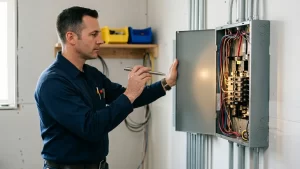
A routine inspection allows a licensed electrician to detect early warning signs such as:
- Discolored outlets
- Warm or buzzing breakers
- Outdated wiring
- Overloaded circuits
- Loose or corroded connections
Catching these issues early prevents costly repairs and protects your home from electrical hazards.
Extending the Life of Your Electrical System
Electrical panels, wiring, and switches all have a lifespan. Regular maintenance helps ensure these components stay in good condition for as long as possible.
By tightening connections, checking load capacity, and ensuring proper grounding, electricians can significantly improve the durability and performance of your electrical system.
Reducing the Risk of Unexpected Power Failures
Surprise outages inside the home often come from neglected electrical problems. Flickering lights, frequently tripped breakers, and inconsistent power are all signs that maintenance is overdue.
Routine electrical checkups help:
- Prevent breaker overloads
- Balance circuits
- Identify worn components
- Ensure consistent power delivery
This keeps your home running smoothly and minimizes disruptions.
Improving Energy Efficiency
Electrical systems that are not maintained can consume more power than necessary. Faulty wiring, loose connections, and aging fixtures increase resistance in the system, leading to wasted energy.
During maintenance, an electrician may recommend upgrades such as:
- LED lighting
- Updated wiring
- High-efficiency fixtures
- Smart home controls
These improvements reduce electrical strain and lower utility bills.
Ensuring Modern Safety Compliance
Older homes often lack the safety devices required by today’s electrical standards. Missing GFCI and AFCI protection, outdated panels, or aluminum wiring can increase the risk of shock or fire.
Regular maintenance ensures your home stays compliant with modern safety codes and includes:
- Testing GFCI and AFCI outlets
- Inspecting aluminum wiring connections
- Evaluating panel capacity and condition
- Checking grounding and bonding systems
Preventing Emergency Repairs
Many electrical emergencies begin as minor issues that were never inspected or repaired. Regular maintenance dramatically reduces the likelihood of sudden failures such as:
- Burning smells
- Electrical sparks
- Dead outlets
- Panel overheating
Consistent checkups help avoid dangerous situations and keep your home safe.
Peace of Mind Year Round
Electrical maintenance isn’t just about avoiding problems—it’s about knowing your home is protected. With routine inspections and proactive upkeep, you can trust that your system is safe, efficient, and ready to support your daily needs.
Ready to Schedule Electrical Maintenance?
Our licensed electricians provide full-system inspections, repairs, and upgrades to keep your home running safely and reliably. Regular maintenance today prevents costly problems tomorrow.
FAQ – How Regular Electrical Maintenance Prevents Bigger Problems
Regular electrical maintenance helps keep your home safe, efficient, and free from avoidable electrical issues. It identifies small problems before they become serious hazards or lead to costly repairs.
By inspecting components, tightening connections, and ensuring proper grounding, electricians can help extend the lifespan and performance of electrical panels, wiring, and switches.
Absolutely. Faulty wiring and aging fixtures can cause energy loss. Electricians may recommend upgrades such as LED lighting, updated wiring, and high-efficiency fixtures to reduce consumption and lower utility bills.
Without regular inspections, small issues can turn into emergencies like electrical sparks, burning smells, overheating panels, or dead outlets—many of which are preventable.
No. All homes benefit from regular electrical inspections. Even newer systems can develop issues that require attention to prevent future problems.
Maintenance can detect problems such as discolored outlets, buzzing breakers, outdated wiring, overloaded circuits, and loose or corroded connections—all of which can escalate into safety risks if left unchecked.
Yes. Routine checkups reduce the risk of flickering lights, frequent breaker trips, and inconsistent power delivery by balancing circuits and identifying worn components.
Maintenance includes testing GFCI and AFCI outlets, checking panel condition, evaluating aluminum wiring, and ensuring proper grounding—all critical for meeting current safety standards.
Routine inspections provide peace of mind, protect your home from unexpected failures, improve system efficiency, and help ensure your home stays compliant with safety codes.
Maintenance typically includes a full-system inspection, testing of safety devices, checking panel load, tightening connections, and identifying opportunities for upgrades.