
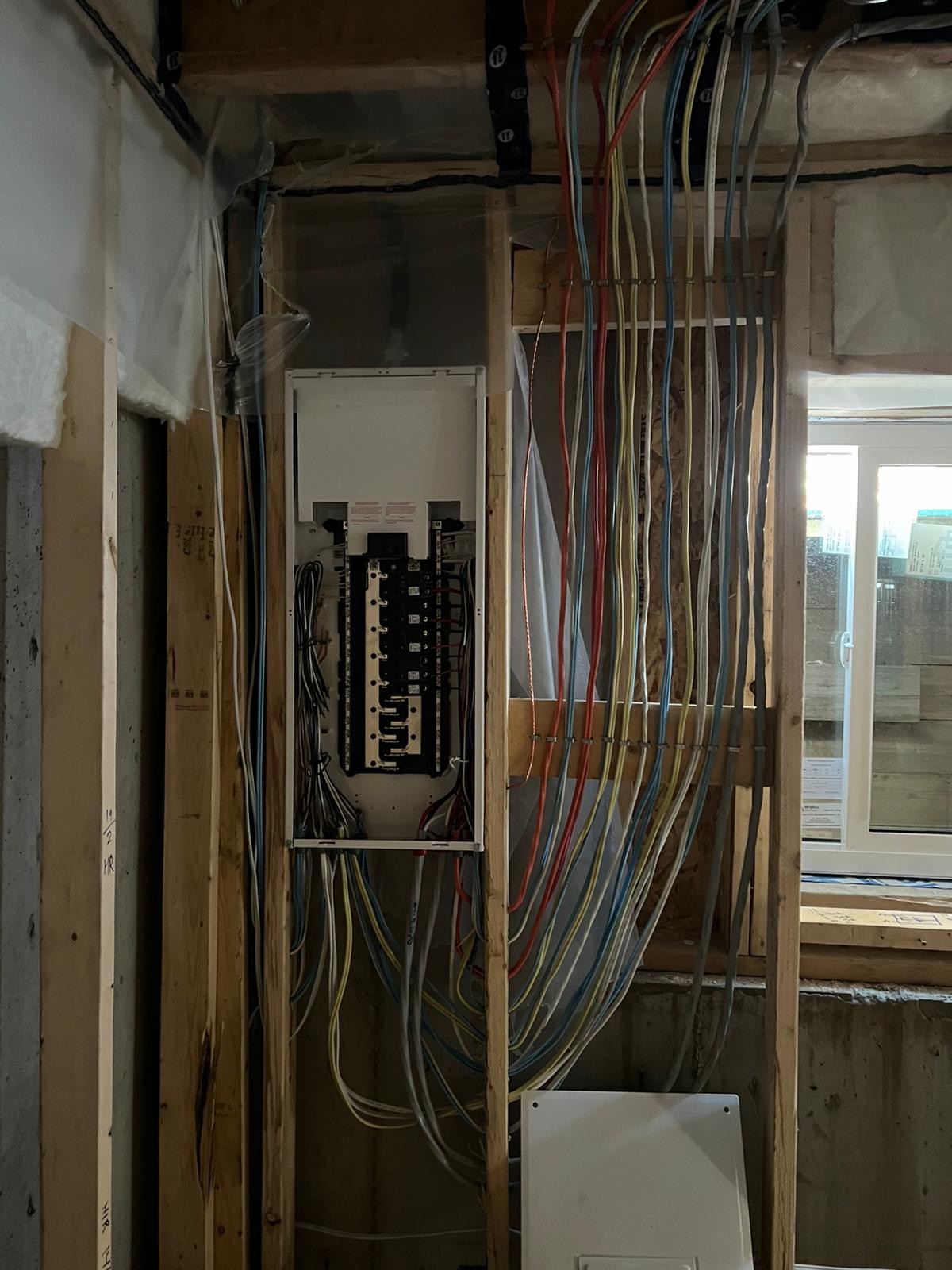
Many homes built between the mid-1960s and late 1970s may contain aluminum branch-circuit wiring. Aluminum wiring is not automatically unsafe, but its connections must be made with compatible devices and installed correctly. Problems are more likely to develop at switches, receptacles, light fixtures, junction boxes, and electrical panel terminations.
Homes from this period may also have an older electrical panel with limited capacity, little room for additional circuits, or components that need attention. This is why an aluminum wiring inspection and an electrical panel assessment often happen at the same time.
The wiring does not always need to be replaced, and the panel does not always need to be upgraded. The right decision starts with checking both systems.
Why Aluminum Wiring Needs a Closer Look
Aluminum wiring can remain in service when its connections and terminations are suitable for the conductor. Problems can occur when aluminum wiring is connected to devices intended only for copper, when a termination becomes loose, or when previous electrical work was not completed correctly.
Technical Safety BC warns that connecting aluminum wiring to copper-only devices can create a fire risk. Compatible connectors, wiring methods, and devices must be used, and replacement work must be completed under an electrical installation permit.
Warning signs can include:
- Warm switches, receptacles, or cover plates
- Flickering lights
- Discoloured switches or outlets
- A smell similar to hot plastic
- Visible heat damage around a connection
- Crackling or arcing sounds
These signs should not be ignored. Turn off power to the affected area when it is safe to do so and have the circuit checked by a qualified electrician.
Why the Electrical Panel Is Part of the Inspection
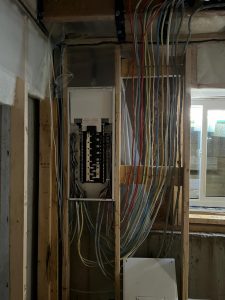
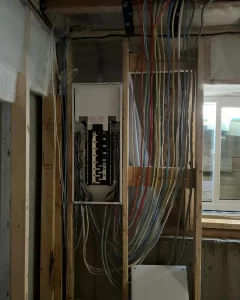
Every branch circuit in the home connects back to the electrical panel. If a home has aluminum branch wiring, some of those conductors may terminate directly at breakers or other components inside the panel.
An electrician needs to assess the condition of those terminations as part of the overall wiring review. The inspection may uncover loose connections, signs of overheating, damaged insulation, improper breaker connections, or previous modifications that require correction.
The panel also provides information about the home’s electrical system, including:
- The size of the electrical service
- The number and type of existing circuits
- Available breaker spaces
- The condition of the panel and breakers
- Signs of previous repairs or additions
- The amount of capacity available for future equipment
This does not mean that finding aluminum wiring automatically leads to a panel replacement. It means the panel cannot be ignored when checking the condition of the wiring.
When a Panel Upgrade May Be Recommended
An electrical panel upgrade may be recommended when the existing panel is damaged, no longer suitable for the home, or unable to support planned electrical loads.
Common reasons include adding:
- A Level 2 EV charger
- A heat pump or air-conditioning system
- A hot tub
- An electric range or other large appliance
- A basement suite
- A home addition
- New circuits during a major renovation
Before recommending a larger electrical service, an electrician should complete a load calculation. BC Hydro notes that a load calculation is required for the electrical permit and can show whether a service upgrade is necessary. Load management may also be an option when a home is close to its available capacity.
The presence of aluminum wiring is only one part of this decision. The panel’s condition, service size, current electrical demand, and future plans must also be considered.
What Happens to Aluminum Circuits During a Panel Upgrade?
Replacing an electrical panel requires the existing branch circuits to be disconnected and reconnected. When those circuits include aluminum conductors, their condition and terminations need to be checked before they are connected to the new equipment.
Technical Safety BC states that circuits being reconnected during a panel or service upgrade must comply with the applicable requirements of the BC Electrical Code. Existing circuits may be reconnected when they are adequate for their intended use, while unacceptable conditions must be reported and corrected.
Depending on what the electrician finds, the work may involve:
- Reconnecting suitable aluminum conductors correctly
- Replacing damaged sections of conductor
- Correcting incompatible devices or connections
- Completing approved repairs at switches and receptacles
- Replacing selected circuits with copper wiring
- Rewiring larger areas when the existing system is in poor condition
A full home rewire is not always required. Each circuit must be assessed based on its condition, use, and previous installation work.
Why It Makes Sense to Assess Both at Once
Checking the wiring and panel together gives the homeowner a clearer picture of the entire electrical system.
For example, repairing device connections without checking the panel could leave a damaged panel termination unnoticed. Replacing the panel without reviewing the aluminum branch circuits could also leave problems elsewhere in the home.
A combined assessment helps answer practical questions:
- Can the existing wiring remain in service?
- Are the switches and receptacles compatible?
- Are there signs of heat damage?
- Is the panel in acceptable condition?
- Does the home have capacity for planned upgrades?
- Which repairs should be completed first?
- Can the work be completed in stages?
The goal is not to replace everything because it is old. The goal is to identify real problems, correct unsafe conditions, and plan future work based on the home’s actual electrical needs.
Have Your Aluminum Wiring and Panel Properly Assessed
Intense Voltage Electrical provides aluminum wiring inspections, panel upgrades, and electrical repairs for homeowners throughout the Lower Mainland.
Our electricians can assess the wiring, panel condition, electrical capacity, and planned additions before recommending the next step. You will know what needs attention now, what can remain in place, and what may need to be planned for later.